Jewellery


Chałka
The chałka originally comes from Jewish cuisine, where, as “challah,” it serves a key role during Shabbat and major holidays, symbolizing manna from heaven. The Jewish diaspora in Poland was for centuries a numerous one and the two cultures would intersect, placing the chałka also within the Polish culinary tradition. In the latter, it has come to represent hospitality.
-
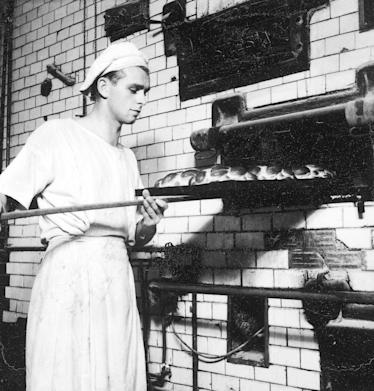 fig. 1 Bakery, between 1947 and 1950
 -

“Chałka” Earrings
GBP 340 -
“Chałka” Brooch
GBP 275 -
“Chałka” Barrette
GBP 200 -
“Chałka” Bracelet
GBP 425 -
“Chałka” Necklace
GBP 595


Sękacz
The “sękacz” cake (the name means “knotted,” because of its tree-like rings) has a long history in eastern Poland, where it has been prepared for special occasions, holidays, and weddings since at least the end of the 15th century. To make it, layer after layer of batter is poured over a spit rotating on an open fire, creating the signature "tree knots" in the cake's cross-section. Thanks to its unique, ornamental shape, it served as an adornment for the festive table.
-
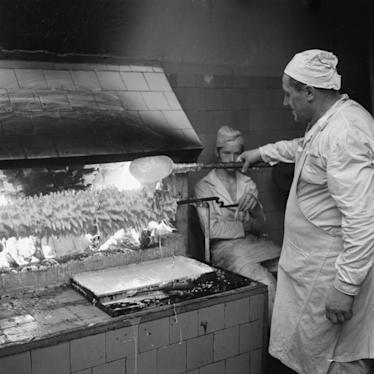 fig. 2 Baking sękacz cakes for Christmas
 -
“Sękacz” Earrings
GBP 340 -
“Sękacz” Brooch
GBP 275 -
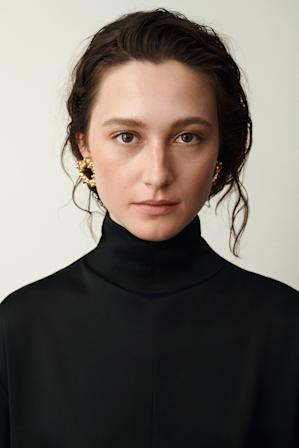
“Sękacz” Earrings
GBP 340 -
“Sękacz” Pendant
GBP 295 -
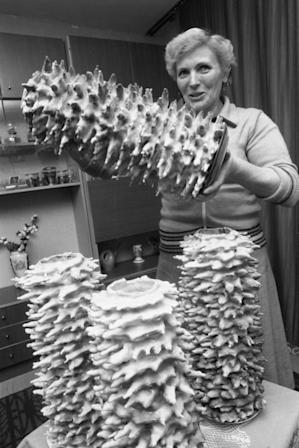 fig. 3 Krystyna Zorena with sękacz cakes for Christmas


“Kogut”
or Rooster
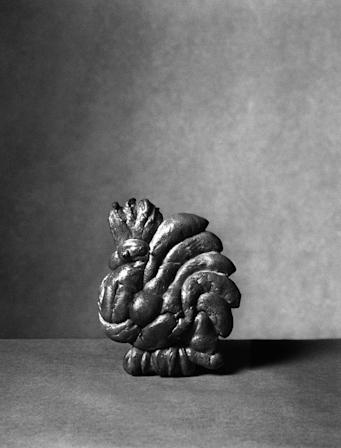
The “kogut,” or rooster from Kazimierz Dolny, a storied town in eastern Poland, is a hand-formed yeast bread with a buttery flavor. It gets its unique shape from a local legend about a rooster that saved Kazimierz from the devil’s designs to settle in town. The treat, baked in Kazimierz for generations, became a symbol of the town. For this collection I took inspiration from one part of the baked rooster: the curved, four-feathered tail.
-
-
“Kogut” Brooch
GBP 275 -
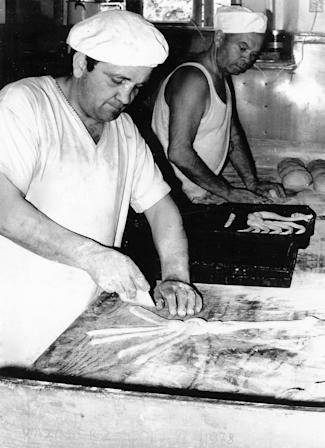 fig. 4 Master Zbigniew Sarzyński making roosters
 -
“Kogut” Bracelet
GBP 425 -
“Kogut” Necklace
GBP 595 -
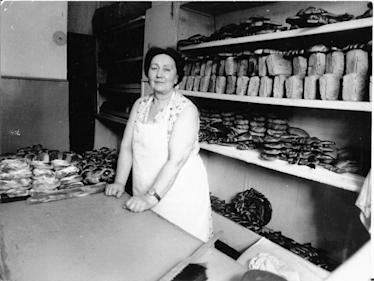 fig. 5 Krystyna Sarzyńska in Old Bakery


I’m fascinated with the history of food and customs around eating, whether it’s recipes that are handed down from generation to generation, dishes that are typical to a country or to a region, or flavors that always transport us to our childhoods and to our family homes. Nothing makes me happier than cultivating these traditions, taking care that they endure.
List of Figures
fig. 1 Unidentified bakery, author unknown, between 1947 and 1950, from the collection of the National Digital Archives
fig. 2 Baking sękacz cakes before the Christmas holidays. In the foreground, confectioner Stanisław Bożek, photo by Jan Trembecki, Lublin Gastronomic Establishments, Lublin, 1970, from the collection of the Polish Press Agency
fig. 3 Krystyna Zorena with sękacz cakes she prepared for the upcoming Christmas holidays, photo by Stanisław Moroz, Kalskie Nowiny, 1985, from the collection of the Polish Press Agency
fig. 4 Master Zbigniew Sarzyński making roosters from Kazimierz Dolny, Kazimierz Dolny, 1977, from the Sarzyński family archive
fig. 5 Sarzyński Old Bakery in Kazimierz Dolny, Krysia Sarzyńska, from the Sarzyński family archive
Amber Collection

Stanisława Konopka

Making of Amber Jewelry

Stanisława and Tadeusz Konopka
The collection features several handmade amber accessories: earrings shaped like “chałka” bread, familiar from our jewellery line, as well as a “kogut” brooch, this time featuring the rooster bread from the town of Kazimierz Dolny in its full form, and finally, a silk scarf finished with an amber bead trim.
-
Amber
“Kogut” BroochGBP 675 -
Waitlist
Double Amber Necklace
GBP 300 -
Waitlist
Triple Amber Necklace
GBP 385 -
Only a few left!
Amber
“Chałka” EarringsGBP 525 -
Big Amber
“Kogut” BroochGBP 720 -
Shawl with Amber Beads
GBP 290 -
Amber Anklet
GBP 150 -
Only a few left!
Long Amber Necklace
GBP 320 -
Triple Amber Bracelet
GBP 205


Pearls

In the Heritage collection inspired by elements of the traditional outfit of the Lemko people, an ethnic minority in southeastern Poland we’re showcasing hand-knotted necklaces. “I’m particularly enamored by the way Lemko women arranged multiple layers of cascading strands on their necks and décolletage. Thus the motif for this collection became natural pearls, which we decided to use to adorn our accessories.”
-
Only a few left!
Pearl Necklace Quartet Cream
GBP 365 -
Waitlist
Pearl Necklace Quartet Black
GBP 365 -
Only a few left!
Pearl Necklace Double Black
GBP 275 -
Pearl Necklace Double Cream
GBP 275 -
Only a few left!
Long Pearl Necklace
GBP 305 -
Waitlist
Pearl Anklet
GBP 135 -
Waitlist
Irregular Pearl Anklet
GBP 155 -
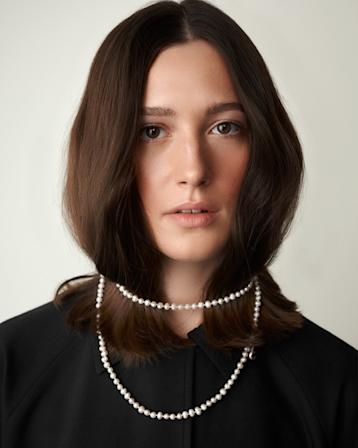
Long Pearl Necklace
GBP 305


Lace
Those handmade linen thread brooches are part of our Chylak Heritage project inspired by the rich tradition of bobbin-lacemaking from Bobowa, a small town in southern Poland. Bobowa lace is known for its fine, airy structures, intricate floral and geometric designs, and the use of high-quality linen threads.


